Key facts
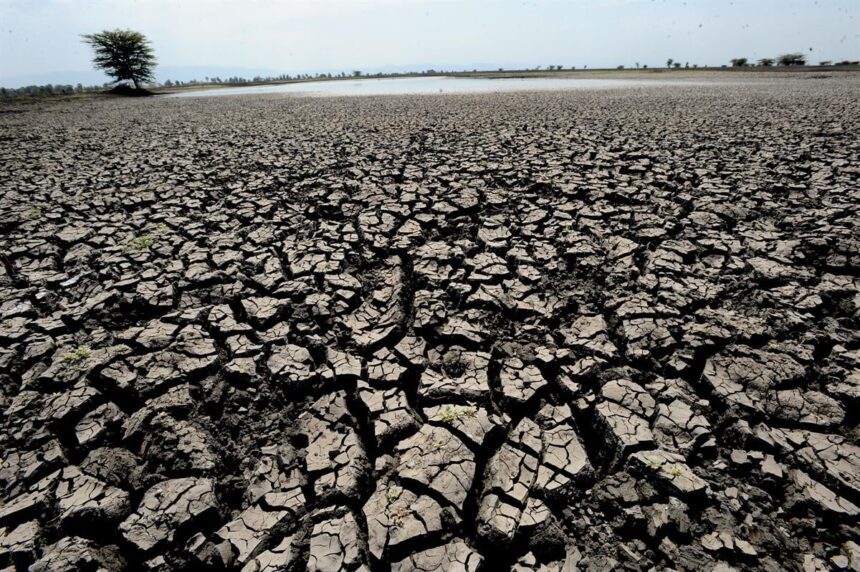
- Climate change is directly contributing to humanitarian emergencies from heatwaves, wildfires, floods, tropical storms and hurricanes and they are increasing in scale, frequency and intensity.
- Research shows that 3.6 billion people already live in areas highly susceptible to climate change. Between 2030 and 2050, climate change is expected to cause approximately 250 000 additional deaths per year, from undernutrition, malaria, diarrhoea and heat stress alone.
- The direct damage costs to health (excluding costs in health-determining sectors such as agriculture and water and sanitation) is estimated to be between US$ 2–4 billion per year by 2030.
- Areas with weak health infrastructure – mostly in developing countries – will be the least able to cope without assistance to prepare and respond.
- Reducing emissions of greenhouse gases through better transport, food and energy use choices can result in very large gains for health, particularly through reduced air pollution.
Overview
Climate change presents a fundamental threat to human health. It affects the physical environment as well as all aspects of both natural and human systems – including social and economic conditions and the functioning of health systems. It is therefore a threat multiplier, undermining and potentially reversing decades of health progress. As climatic conditions change, more frequent and intensifying weather and climate events are observed, including storms, extreme heat, floods, droughts and wildfires. These weather and climate hazards affect health both directly and indirectly, increasing the risk of deaths, noncommunicable diseases, the emergence and spread of infectious diseases, and health emergencies.
Climate change is also having an impact on our health workforce and infrastructure, reducing capacity to provide universal health coverage (UHC). More fundamentally, climate shocks and growing stresses such as changing temperature and precipitation patterns, drought, floods and rising sea levels degrade the environmental and social determinants of physical and mental health. All aspects of health are affected by climate change, from clean air, water and soil to food systems and livelihoods. Further delay in tackling climate change will increase health risks, undermine decades of improvements in global health, and contravene our collective commitments to ensure the human right to health for all.
Climate change impacts on health
Climate change and equity
In the short- to medium-term, the health impacts of climate change will be determined mainly by the vulnerability of populations, their resilience to the current rate of climate change and the extent and pace of adaptation. In the longer-term, the effects will increasingly depend on the extent to which transformational action is taken now to reduce emissions and avoid the breaching of dangerous temperature thresholds and potential irreversible tipping points.
While no one is safe from these risks, the people whose health is being harmed first and worst by the climate crisis are the people who contribute least to its causes, and who are least able to protect themselves and their families against it: people in low-income and disadvantaged countries and communities.
Addressing climate change’s health burden underscores the equity imperative: those most responsible for emissions should bear the highest mitigation and adaptation costs, emphasizing health equity and vulnerable group prioritization.
Need for urgent action
To avert catastrophic health impacts and prevent millions of climate change-related deaths, the world must limit temperature rise to 1.5°C. Past emissions have already made a certain level of global temperature rise and other changes to the climate inevitable. Global heating of even 1.5°C is not considered safe, however; every additional tenth of a degree of warming will take a serious toll on people’s lives and health.
WHO response
WHO’s response to these challenges centres around 3 main objectives:
- Promote actions that both reduce carbon emissions and improve health: supporting a rapid and equitable transition to a clean energy economy; ensuring that health is central to climate change mitigation policy; accelerating mitigation actions that bring the greatest health gains; and mobilizing the strength of the health community to drive policy change and build public support.
- Build better, more climate-resilient and environmentally sustainable health systems: ensuring core services, environmental sustainability and climate resilience as central components of UHC and primary health care (PHC); supporting health systems to leapfrog to cheaper, more reliable and cleaner solutions, while decarbonizing high-emitting health systems; and mainstreaming climate resilience and environmental sustainability into health service investments, including the capacity of the health workforce.
- Protect health from the wide range of impacts of climate change: assessing health vulnerabilities and developing health plans; integrating climate risk and implementing climate-informed surveillance and response systems for key risks, such as extreme heat and infectious disease; supporting resilience and adaptation in health-determining sectors such as water and food; and closing the financing gap for health adaptation and resilience.
Leadership and Raising Awareness: WHO leads in emphasizing climate change’s health implications, aiming to centralize health in climate policies, including through the UNFCCC. Partnering with major health agencies, health professionals and civil society, WHO strives to embed climate change in health priorities like UHC and target carbon neutrality by 2030.
Evidence and Monitoring: WHO, with its network of global experts, contributes global evidence summaries, provides assistance to nations in their assessments, and monitors progress. The emphasis is on deploying effective policies and enhancing access to knowledge and data.
Capacity Building and Country Support: Through WHO offices, support is given to ministries of health, focusing on collaboration across sectors, updated guidance, hands-on training, and support for project preparation and execution as well as for securing climate and health funding. WHO leads the Alliance for Transformative Action on Climate and Health (ATACH), bringing together a range of health and development partners, to support countries in achieving their commitments to climate-resilient and low carbon health systems.