The votes of less wealthy countries – including small island nations and least developed countries – therefore carry as much weight as the Group of Twenty (G20) nations, who account for about 85 per cent of global gross domestic product. This has in the past worked to increase the level of climate action, including the focus on 1.5 degrees Celsius as the global warming target.
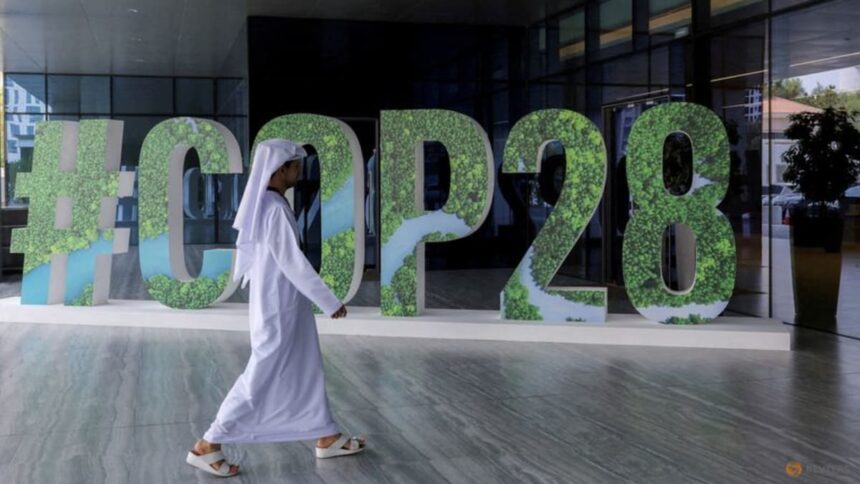
The COP28 president is Sultan Ahmed Al Jaber, who has attracted controversy due to the fact he heads the Abu Dhabi National Oil Company. Expect to see considerable debate over wording. Will governments agree to the “phasing down of fossil fuels” or just the “phasing down of unabated fossil fuels”?
It might sound like quibbling but it’s not – the second option, for instance, implies the heavy use of yet-to-be-proven carbon capture and storage technologies and offsets.
Sultan Al Jaber has, to his credit, promoted some progressive agenda items including a focus on the conservation, restoration and sustainable management of nature to help achieve the goals of the Paris Agreement.
Here, there are welcome commonalities with the major global biodiversity pact struck late last year, the Global Biodiversity Framework, aimed at stemming the extinction of species and degradation of ecosystems. Healthy ecosystems store carbon and help people adapt to the climate change already here.
As nations prepare for a fortnight of intense negotiation, the stakes are higher than they have ever been. Now the question is – can the world community seize the moment?
Brendan Mackey is Director, Griffith Climate Action Beacon at Griffith University. This commentary first appeared on The Conversation.