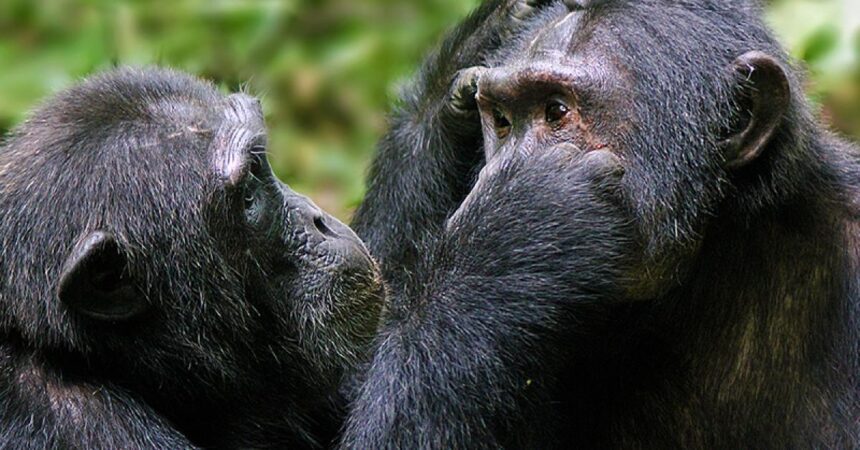
Twenty UNESCO-designated sites from 11 countries on two continents that are home to the three great ape species (gorillas, orangutans and chimpanzees, including bonobos) have committed to the protection of these iconic species.
UNESCO, in partnership with the Muséum National d’Histoire Naturelle (Franc)e and the Sebitoli Chimpanzee Project (Uganda), is launching a new and extensive project to protect great apes and their habitats. Using drones, technicians of these 20 sites will collect data on the phenology of the species, their food sources, the location of any nests, potential areas of conflict with populations, etc., as well as signs of deforestation or habitat fragmentation. The information collected will be pooled in order to have a global view and to make comparative studies. This database on the health and habitat evolution of great apes inside and outside of the areas will allow us to strengthen the protection of our closest cousins by improving our knowledge of their environment.
The use of drones will reduce human disturbance in the study areas and prevent any risk of zoonotic disease transmission to wildlife. Aerial surveys and images allow not only to monitor the natural cycles of the flora (flowering, fruiting, harvesting period…), but also to monitor illegal activities (poaching, mining, etc.) without disturbing the areas.
With a “One Health” paradigm approach to the project, the data collected will establish the link between a healthy environment and healthy apes, thus improving knowledge about apes and allowing for better identification and understanding of the factors and consequences of the threats they face.