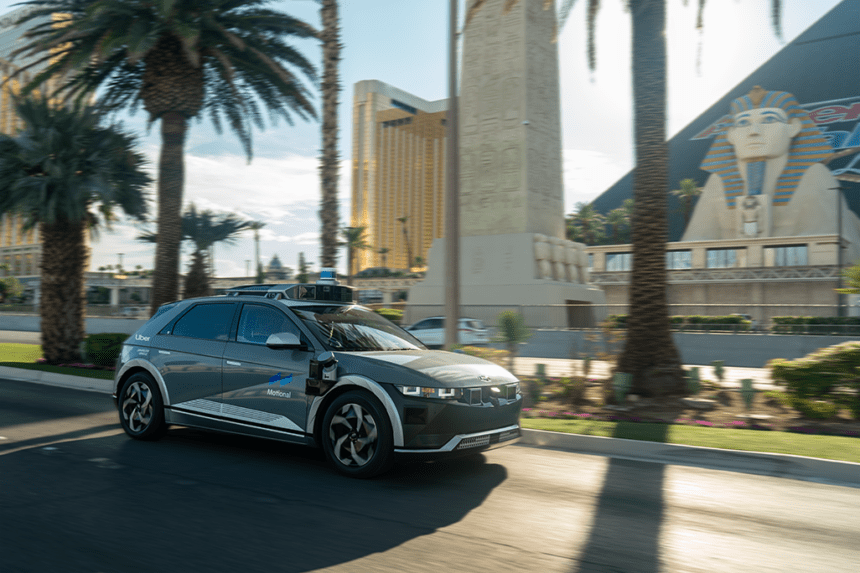
Autonomous vehicle (AV) safety has long been a subject of industry debate: are computer drivers safer than humans? Proponents respond with a resounding ‘yes’, usually backed up with the observation that vehicles are never drowsy, drunk or distracted, and supported by numerous miles of safe self-driving in both the real world and simulation. But setbacks are inevitable, and the technology is far from perfect. In 2018, pedestrian Elaine Herzberg was struck and killed by a self-driving Uber test vehicle in Arizona. More recently, in October 2023, a pedestrian in California was dragged several feet by a Cruise self-driving car after being hit by another vehicle.
Events like these can prompt a knee-jerk reaction: Uber sold off its self-driving unit, and Cruise grounded its robotaxi fleet, sacked nine key executives, and laid off one-quarter of its workforce. These incidents alone are unlikely to derail the promise of a self-driving future, but they could nudge the industry towards a more consumer-centric approach. Self-driving technology developer Motional has been closely following consumer attitudes towards driverless vehicle technology and publishing the results in a yearly Consumer Mobility Report. The fourth and latest study, released in late 2023, found that safety remains the top concern, but one that can be addressed through experience and education.