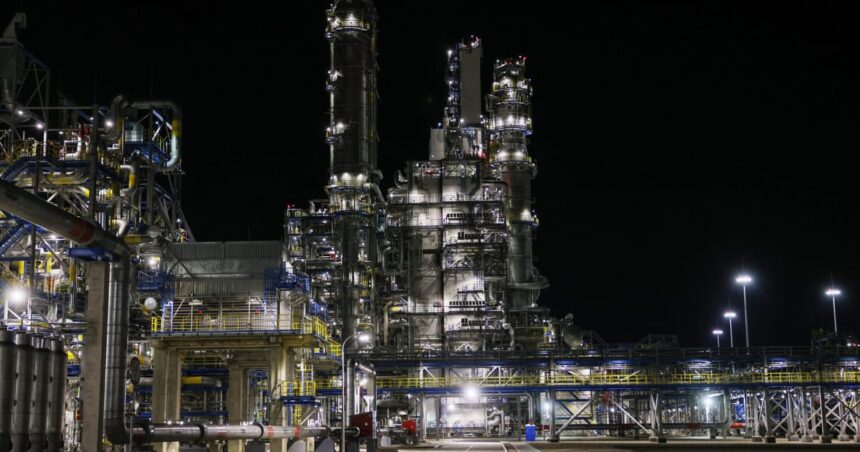
Last year, Moscow was forced to impose a ban on petrol and diesel exports as a result of shortages in the domestic market, where regulations have historically kept prices low to appease motorists and artificially boost its agricultural sector.
However, with fuel fetching higher prices internationally, middlemen were cashing in by selling cheap gasoline abroad that had been intended for use inside Russia, creating a roaring black market. Moscow relaxed the ban in November but was forced to reintroduce it in March due to the Ukrainian strikes.
While most Western countries have stopped importing refined Russian fuel like petrol and diesel, the United Arab Emirates, along with a handful of South American and North African nations, have continued to buy it either to take advantage of low prices or re-export it. Now, Moscow will have to choose between maximizing the cash flow filling its war chest or ensuring its soldiers and civilians can fill up their tanks.
“Ukraine’s ‘physical sanctions’ can accelerate the actual ones,” Maria Shagina, an expert on the Russian economy at the International Institute for Strategic Studies, said. “Kyiv has found Moscow’s technological vulnerability and Ukrainian drone strikes on Russian refineries speed up the impact of Western sanctions which have seen those refineries already struggle to replace Western equipment, spare parts and software.”
However, Ukraine’s efforts to choke off the flow of fuel and funds the Kremlin is using to unleash death and destruction has prompted warnings from the United States, with senior officials like Defense Secretary Lloyd Austin publicly warning against the strikes for fear of upending the global energy market. Moscow, meanwhile, has actively targeted Ukrainian infrastructure, shattering the country’s electricity grid and plunging millions of people into darkness.
Kyiv has vowed to do whatever it can to undermine Russia’s ability to wage war, despite the warnings.
The strikes are “having an effect because they’re destroying oil infrastructure and other critical national infrastructure,” Ingram, the former British military intelligence officer, said.
The strategy, he predicted, would “be studied in officer training academies in decades to come.”