Kyiv earlier in May gained footage of a high-tech college and manufacturing complex Alabuga that produces unmanned aerial vehicles (UAV) for the Russian military, reported The Wall Street Journal (WSJ).
The facility that relies on Iranian design and logistics networks, Chinese components and workforce from East Africa is believed to provide Moscow with long-term advantage in drone warfare that has proved itself to be critical in the Russia-Ukraine war.

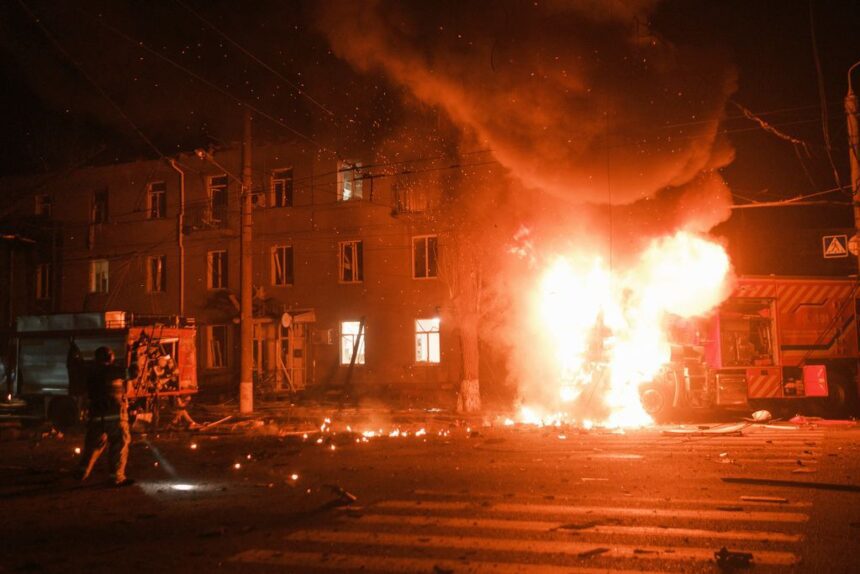
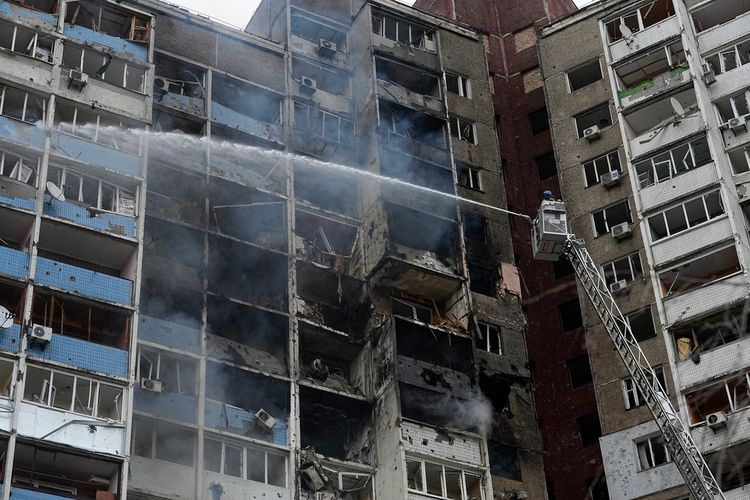
Over the time of the conflict, Russia has launched over 4,000 Iranian-designed Shahed attack drones, according to the Ukrainian military. According to the report citing senior Biden administration officials, China provided Russia with “optics, microelectronics and other dual-use materials that could be used in drones, along with other military hardware.”
Russian business executives sealed the deal to build the Shahed drone plant in late 2022 when they flew to Tehran with “a lucrative offer,” said WSJ. Namely, Moscow offered to pay $1.7 billion in gold bars.
“The unusual terms, corroborated by The Wall Street Journal with U.S. security officials, were revealed in February by a hacker group called the Prana Network, which said it broke into email servers associated with Iran’s Islamic Revolutionary Guard Corps [(IRGC)],” read the report.
The Alabuga facility is expected to churn out 6,000 Shahed attack drones a year, in addition to surveillance drones, according to the leaked documents. Russian troops are training to operate the UAVs in Syria with the IRGC and Hezbollah instructors, according to Ukrainian military intelligence and a former Syrian officer with conflict-monitor group Etana.
Ukrainian President Volodymyr Zelenskyy earlier in April warned that Ukraine would soon run out of air-defense missiles if the intensity of the Russian strikes continued. With the Alabuga factory, Moscow has gained an opportunity to produce its own warheads instead of waiting for Iranian ones, speeding up production of combat-ready weapons.