They targeted the Quds Force – the foreign espionage and paramilitary arm of the IRGC that heavily influences its allied militia across the Middle East, from Lebanon to Iraq and Yemen to Syria.
US Lieutenant General Douglas Sims, the director of the Joint Staff, said it appeared the strikes were successful, triggering large secondary explosions as the bombings hit militant weaponry, though it was not clear if any militants were killed.
But Sims added that the strikes were taken knowing that there would likely be casualties among those in the facilities.
Syrian state media said on Friday that an “American aggression” on sites in its desert areas and at the Syrian-Iraqi border resulted in a number of casualties and injuries.
“START OF OUR RESPONSE”
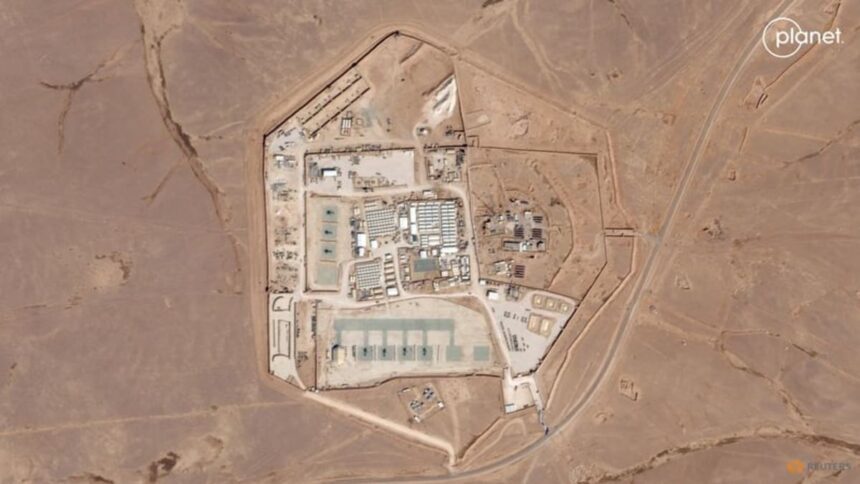
The Jordan attack was the first deadly strike against US troops since the Israel-Hamas war erupted in October.
The United States has assessed that the drone that killed the three soldiers and wounded more than 40 other people was made by Iran, US officials have told Reuters.
Earlier on Friday, Biden and Pentagon leaders were at Dover Air Force Base in Delaware to witness the return remains of the three American soldiers killed in the Jordan attack.
US Defense Secretary Lloyd Austin said Biden had directed additional action against the IRGC and those linked to it.
“This is the start of our response,” Austin said.
But the Pentagon has said it does not want war with Iran and does not believe Tehran wants war either, even as Republican pressure has increased on Biden to deal a blow directly against Iran.
“We do not seek conflict in the Middle East or anywhere else, but the president and I will not tolerate attacks on American forces,” Austin said.